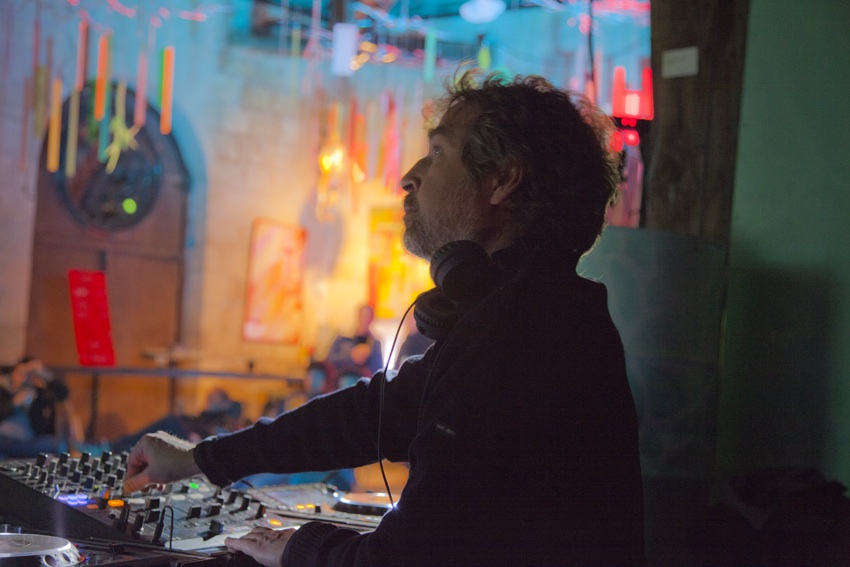
RadioMentale, Global Techno, Happy Hour ou Audio, des titres qui rappelleront sans doute quelques grands moments de Radio FG à ceux qui commençaient à s’intéresser aux musiques électroniques au tout début des années 90, à un moment où les ondes étaient l’un des rares moyens de se tenir au courant. Jean-Yves Leloup fut un temps rédacteur en chef de la station parisienne, tâche qu’il assura aussi dans les colonnes de l’un des rares magazines dédiés au genre dans les années 90 : le précurseur Coda, bien avant les titres actuels auxquels il lui arrive aussi de collaborer. Il a également été l’un des premiers à tracer un lien entre art vidéo, art contemporain et techno à travers quelques expositions, et en prépare actuellement une prochaine pour le printemps 2019 laconiquement nommée Electro, à la Philharmonie de Paris. Cette rentrée marque aussi la sortie de Techno 100 chez Le Mot et le Reste, ouvrage somme sur les disques essentiels de la dernière révolution musicale -entre tubes, raretés et nouveautés -, qui connait une étourdissante seconde jeunesse depuis quelques années. A cette occasion, un Selectorama à forte puissance rythmique, où Leloup nous livre dix morceaux phares, parmi ses préférés. Continuer la lecture de « Selectorama : Jean-Yves Leloup »
 On l’a vu
 Plus de quinze ans après l’arrêt de leur carrière,
 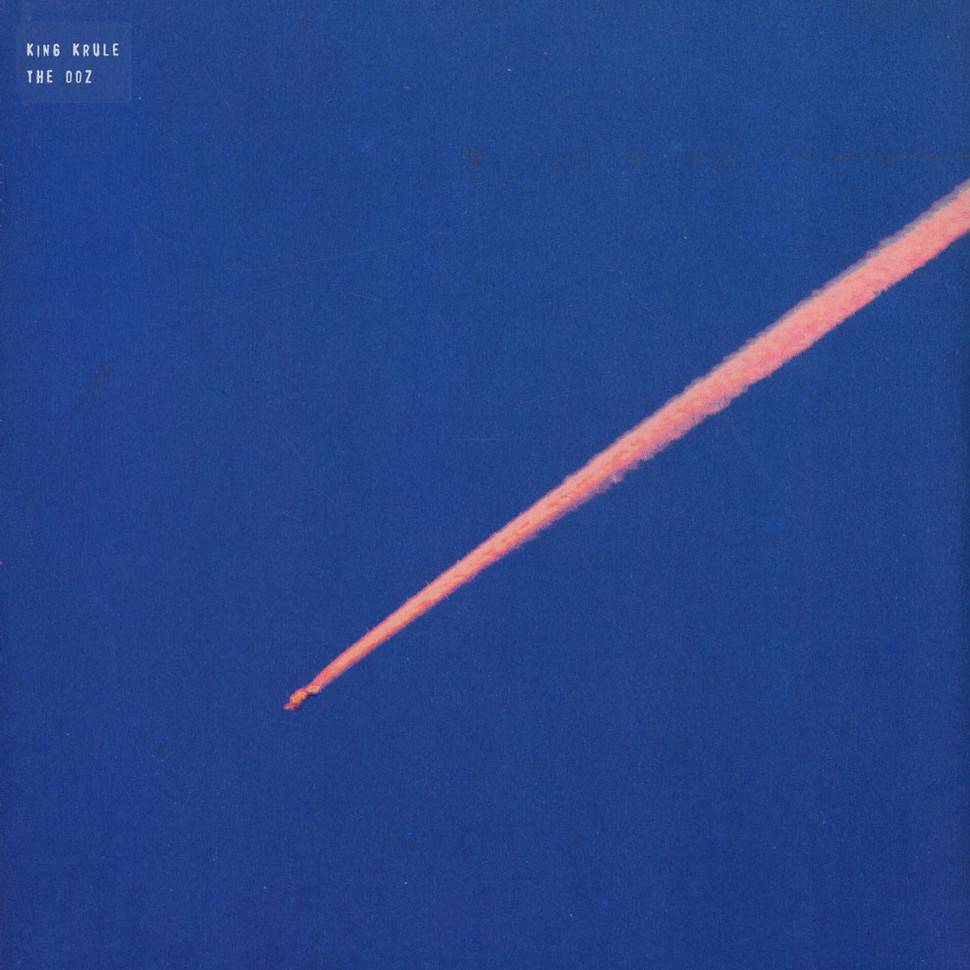 Il est tellement facile de trouver des accroches, de façonner des légendes à coup de punchlines, de monter des anecdotes en épingle pour trouver l’angle idéal et tenter de construire un mythe qui durera le temps qu’il faudra avant de passer à un autre.